Chapter 2:
Various stones that create the landscape in front of us
COLORFUL
Have you ever thought about what kind of rocks a mountain is made of?
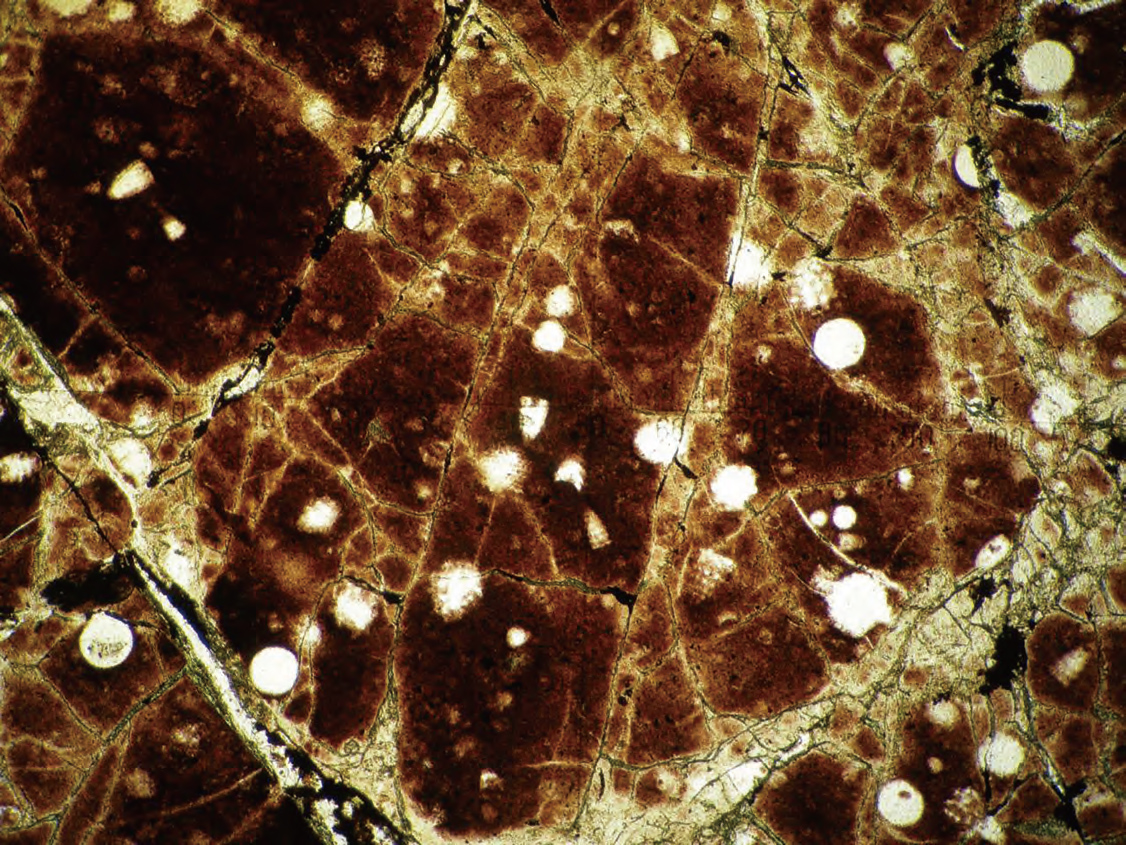
The colorful world seen through a special microscope, with its endless patterns, is a work of art created by the Earth.
Various types of rocks made up of various types of minerals make up the various landscapes in front of us.
Earth's history in a microscopic world?
Rocks are made up of individual minerals.
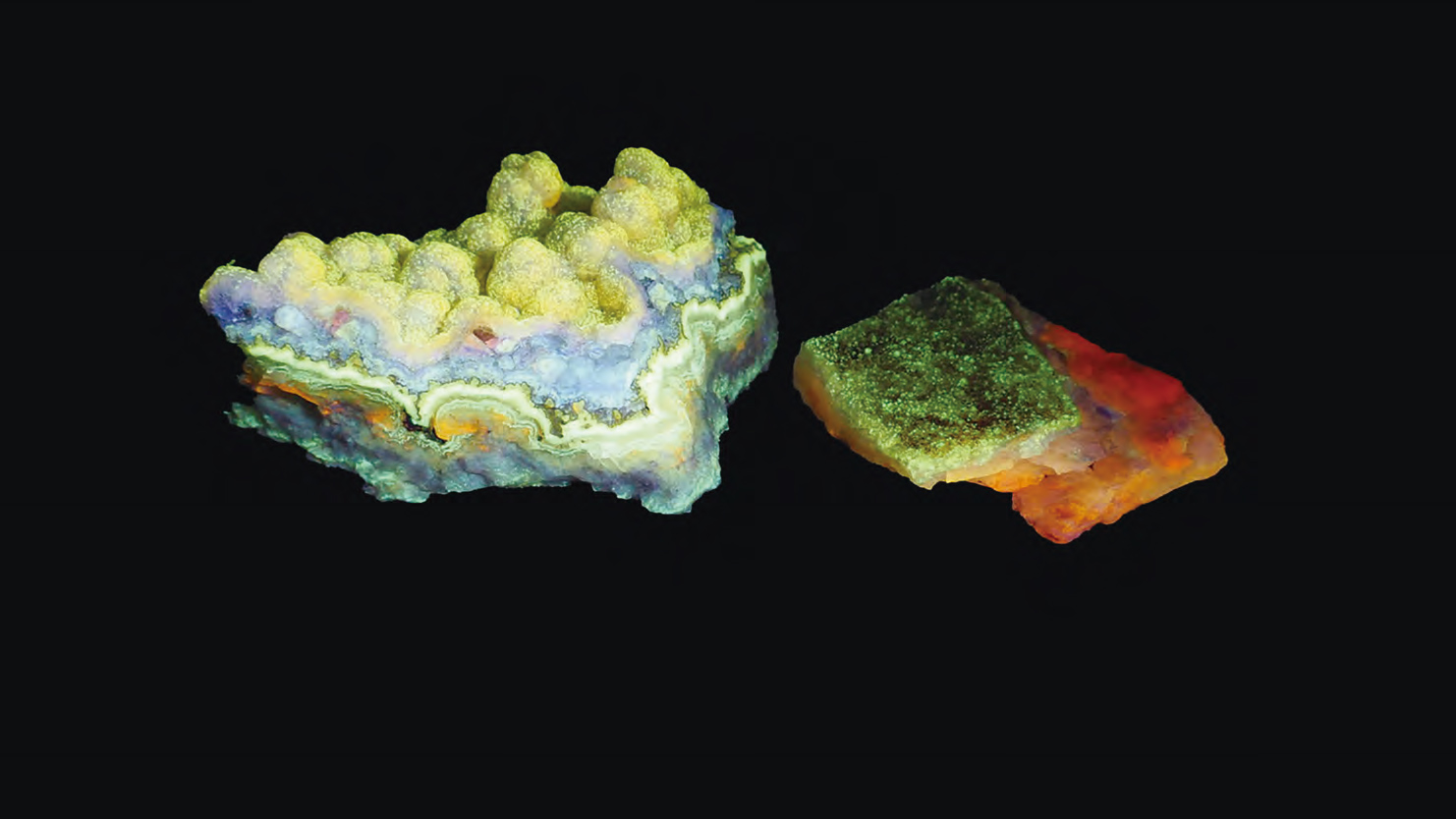
More than 4,000 different minerals have been found on the Earth, each with various characteristics such as shapes or the way light passes through them. Hokkaidoite, a new mineral discovered in Hokkaido Prefecture in 2023, emits yellow and orange light when illuminated by a black light. New minerals are still being discovered every year all over the world.
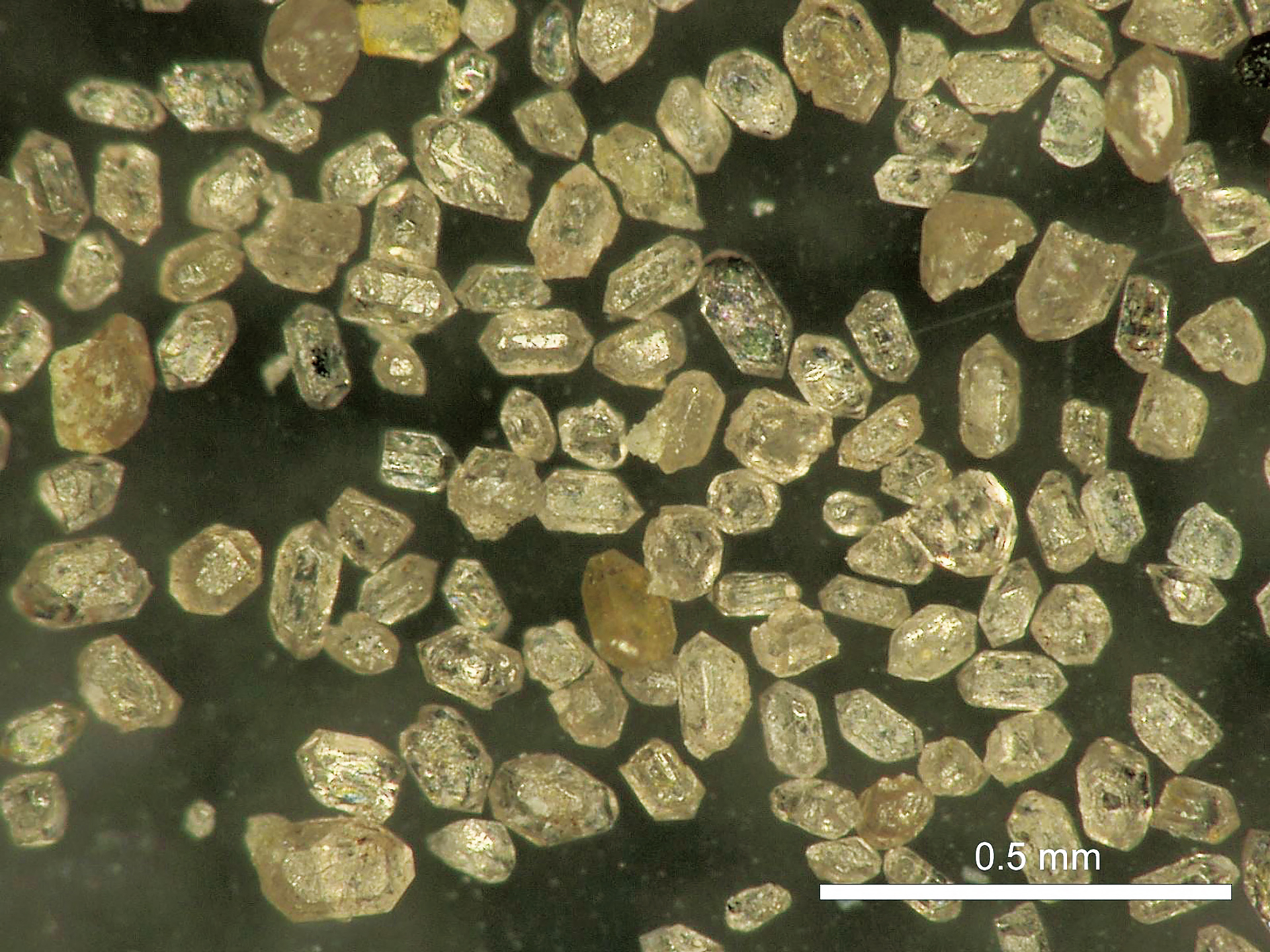
By examining minerals, we can discover their age and the environment in which they were formed. Granite from Toyama Prefecture contains about 0.1 mm of a mineral called zircon. Zircon is one of the minerals that helps determine the age of rocks. Zircon in granite from Toyama Prefecture has been dated to 3.8 billion years ago, the oldest in Japan. This zircon is thought to be one of the sand grains that were incorporated into magma before it became granite.
The microscopic world of rocks bears the history of the Earth.
Where the rocks are born
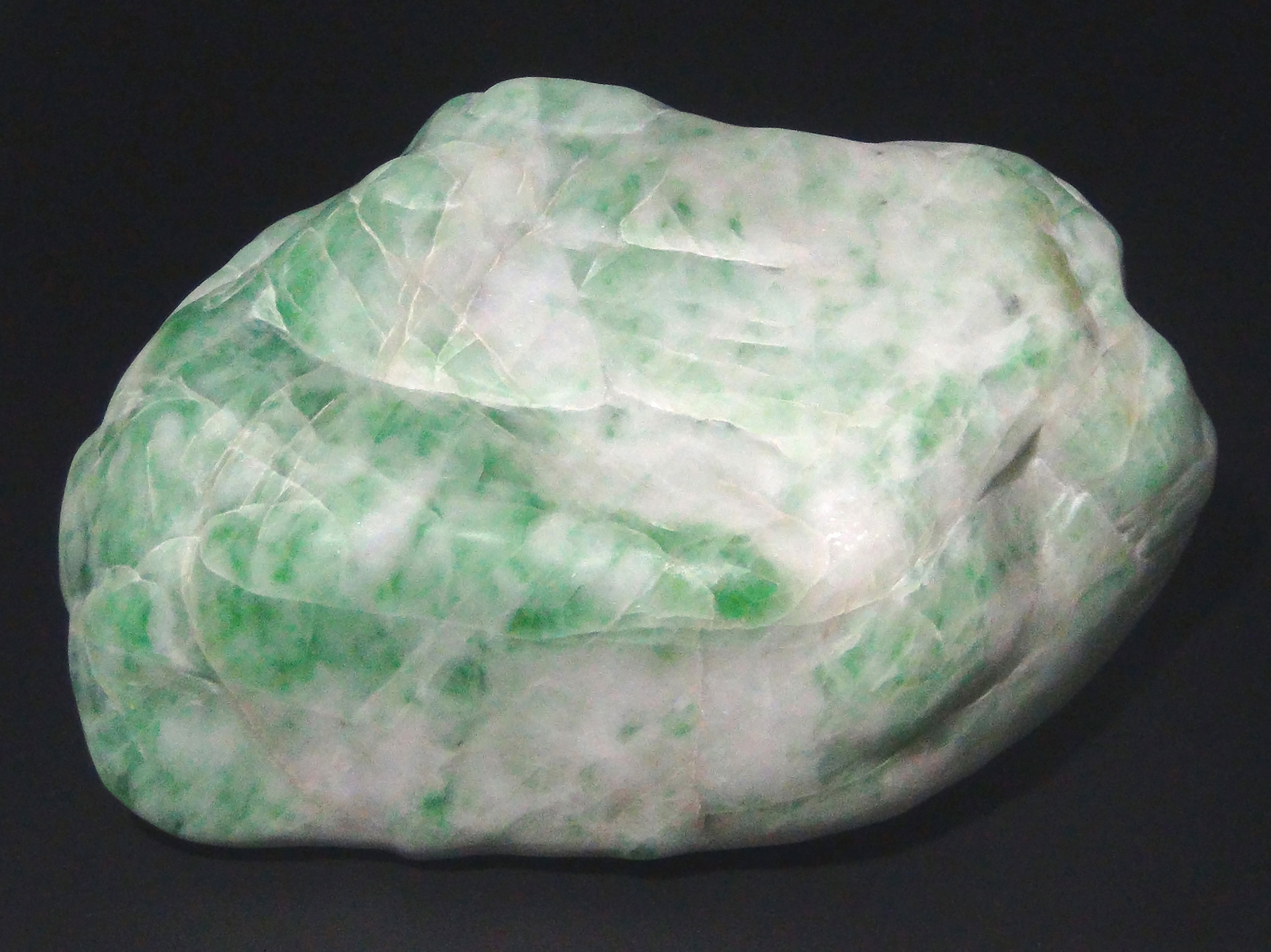
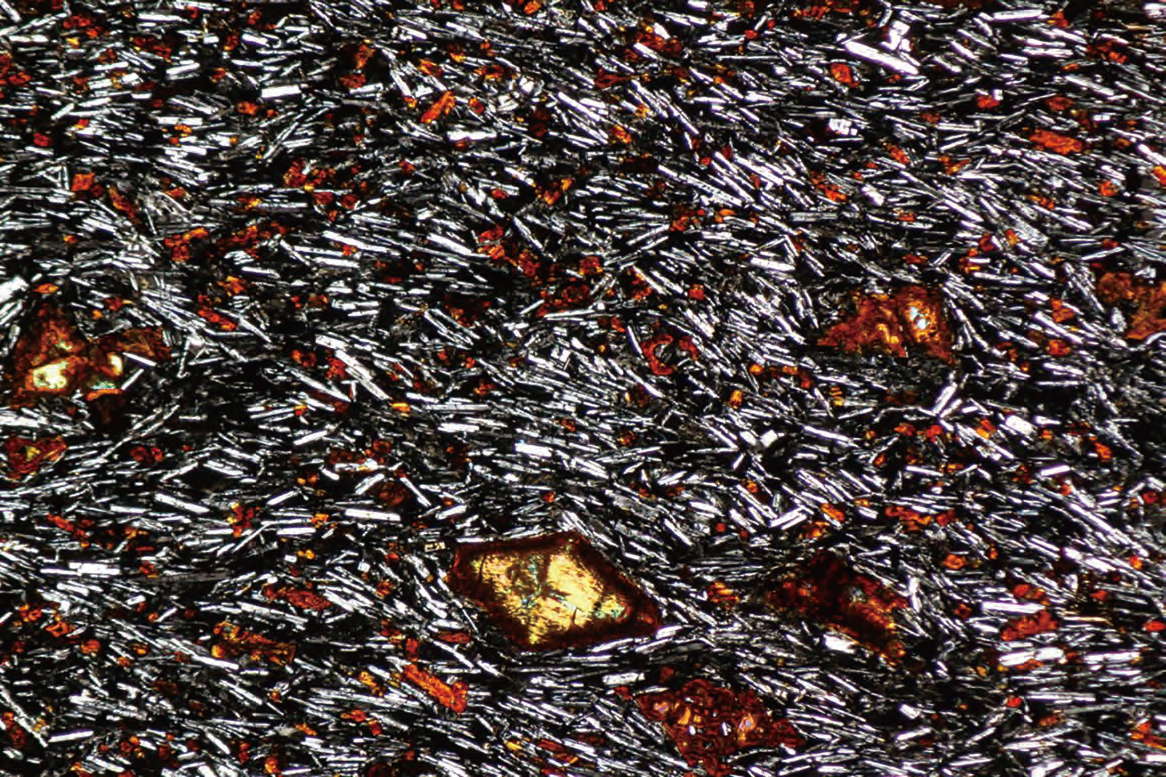
Rocks and minerals are born in three main places: the first is in volcanoes. Underground magma or lava expelled from volcanoes cools and solidifies into what's called an igneous rock. Magma deep underground cools and solidifies slowly, giving minerals time to grow, resulting in plutonic rock with large crystals. If the magma comes near the surface, or is expelled as lava, it cools and solidifies rapidly, forming volcanic rock with small crystals. By observing mineral size and type, we can understand where the rock formed.
The second place is the bottom of oceans, lakes, and rivers. Sand, mud, and the remains of dead organisms accumulate at the bottom of the sea or water-based areas and over a long period of time, become what's called a sedimentary rock. Thus, sedimentary rocks sometimes contain fossils - remnants of dead organisms. By examining the fossils, we can discover when the rocks were formed and the environment of that time.
The third place is deep underground. The deeper inside the Earth, the hotter it gets and the greater the pressure is. As a result, underground rocks transform into different rocks called metamorphic rocks. Although we cannot see the interior of the Earth directly, we can infer it by examining metamorphic rocks.
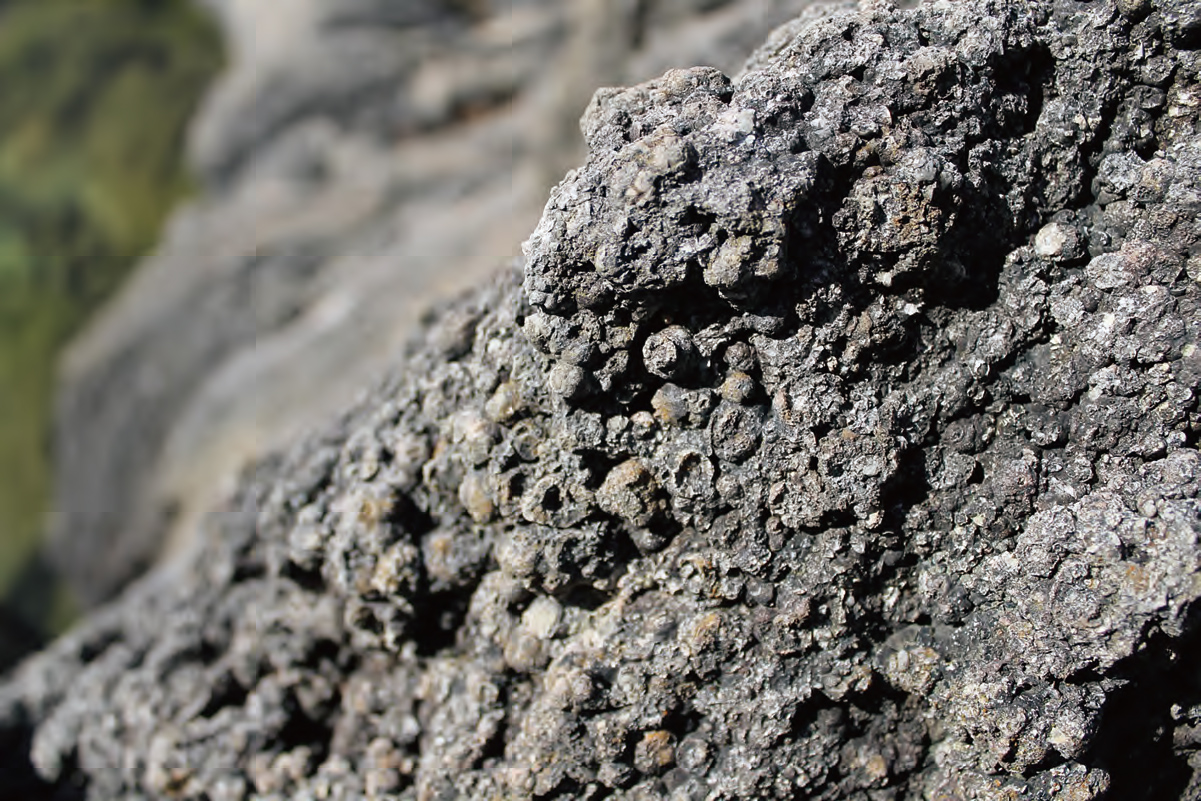
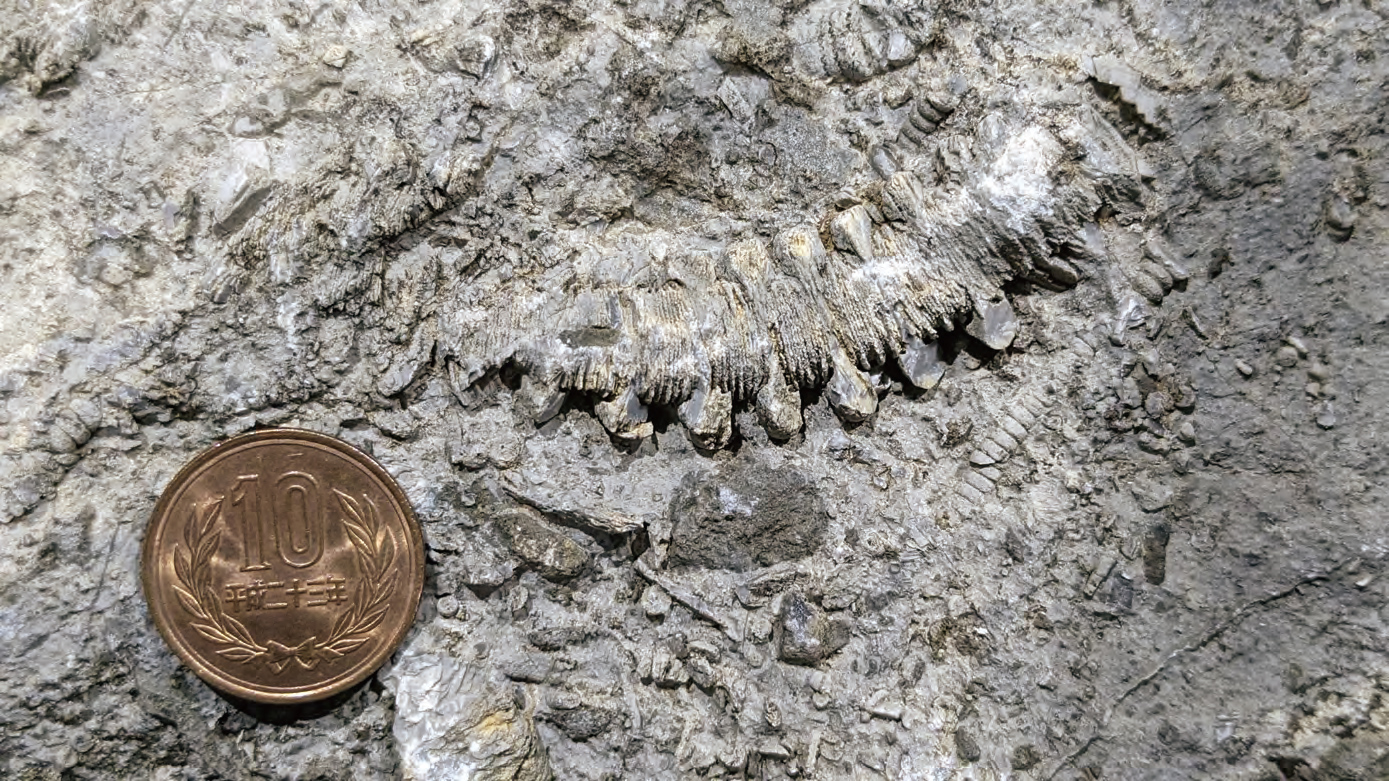
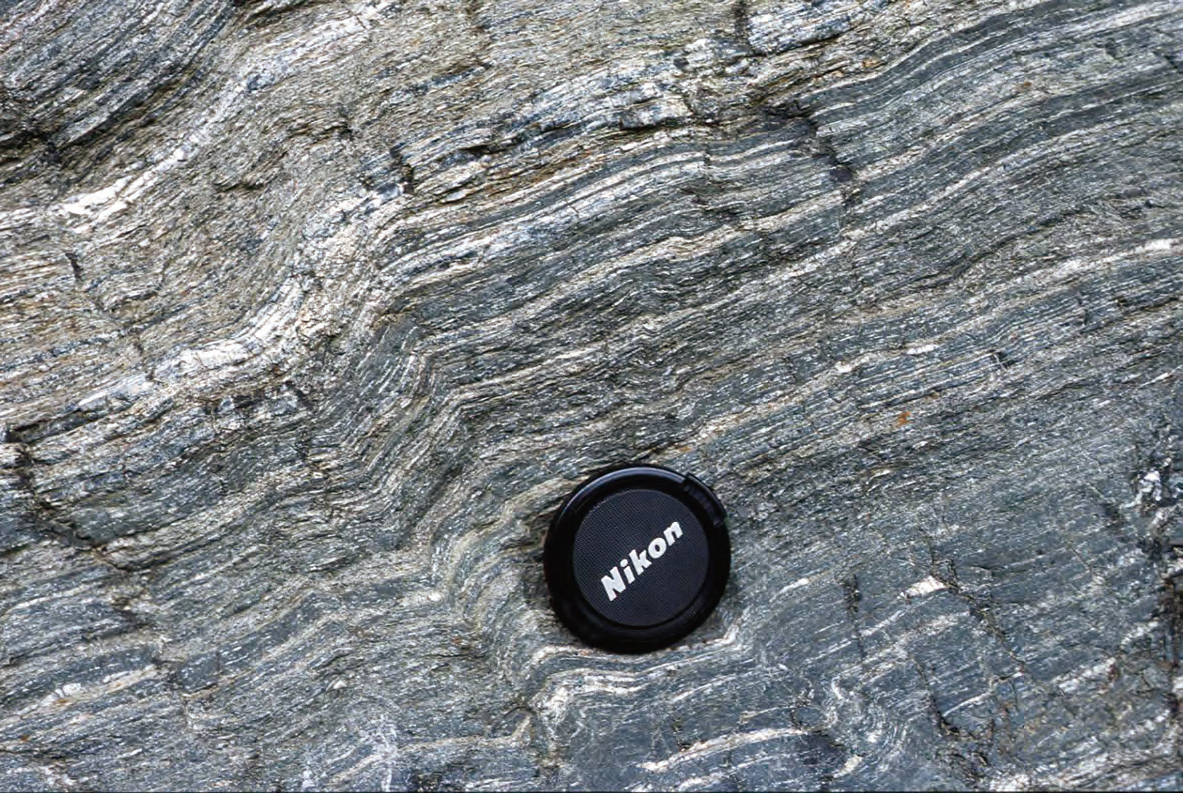
The arts of the Earth
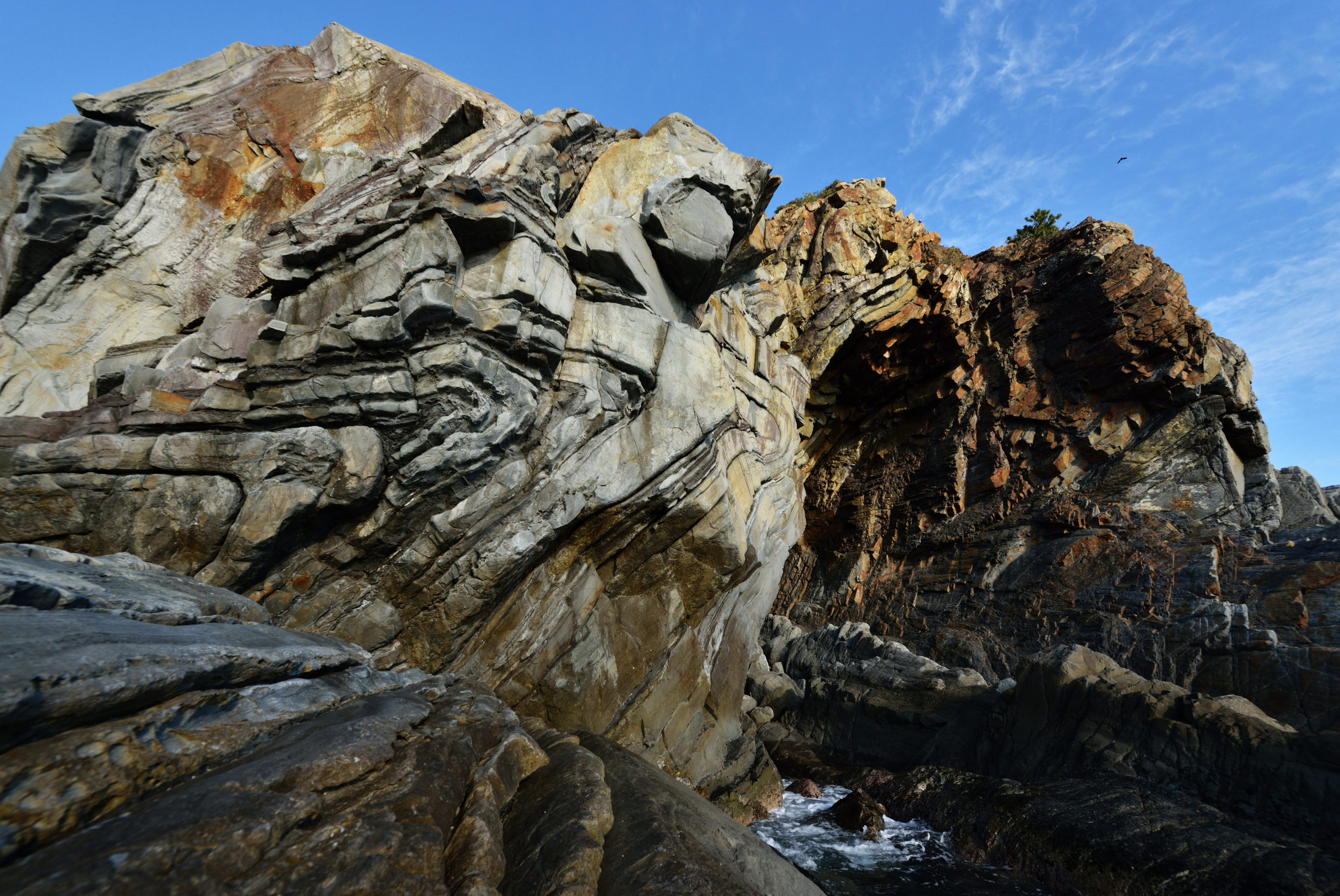
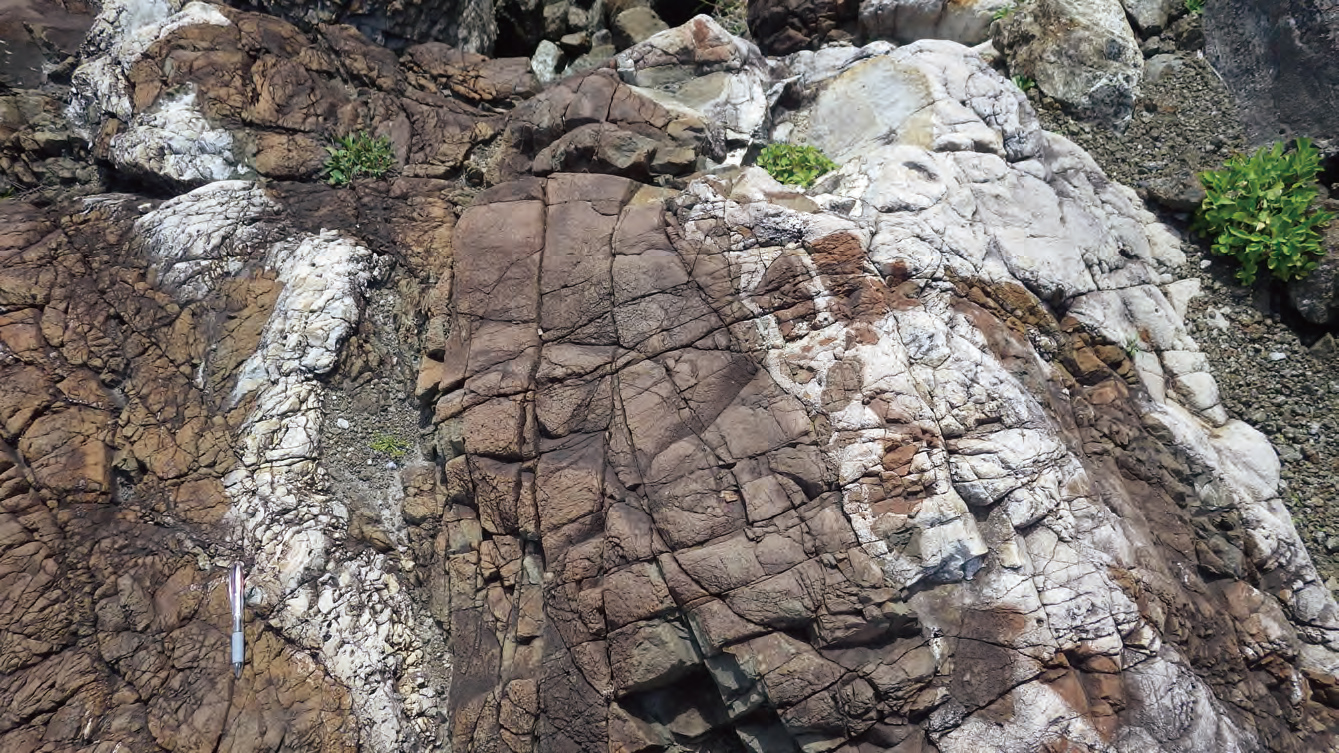
Rocks record the various ways they were formed and their origins. This art of the Earth fascinates us in various places.
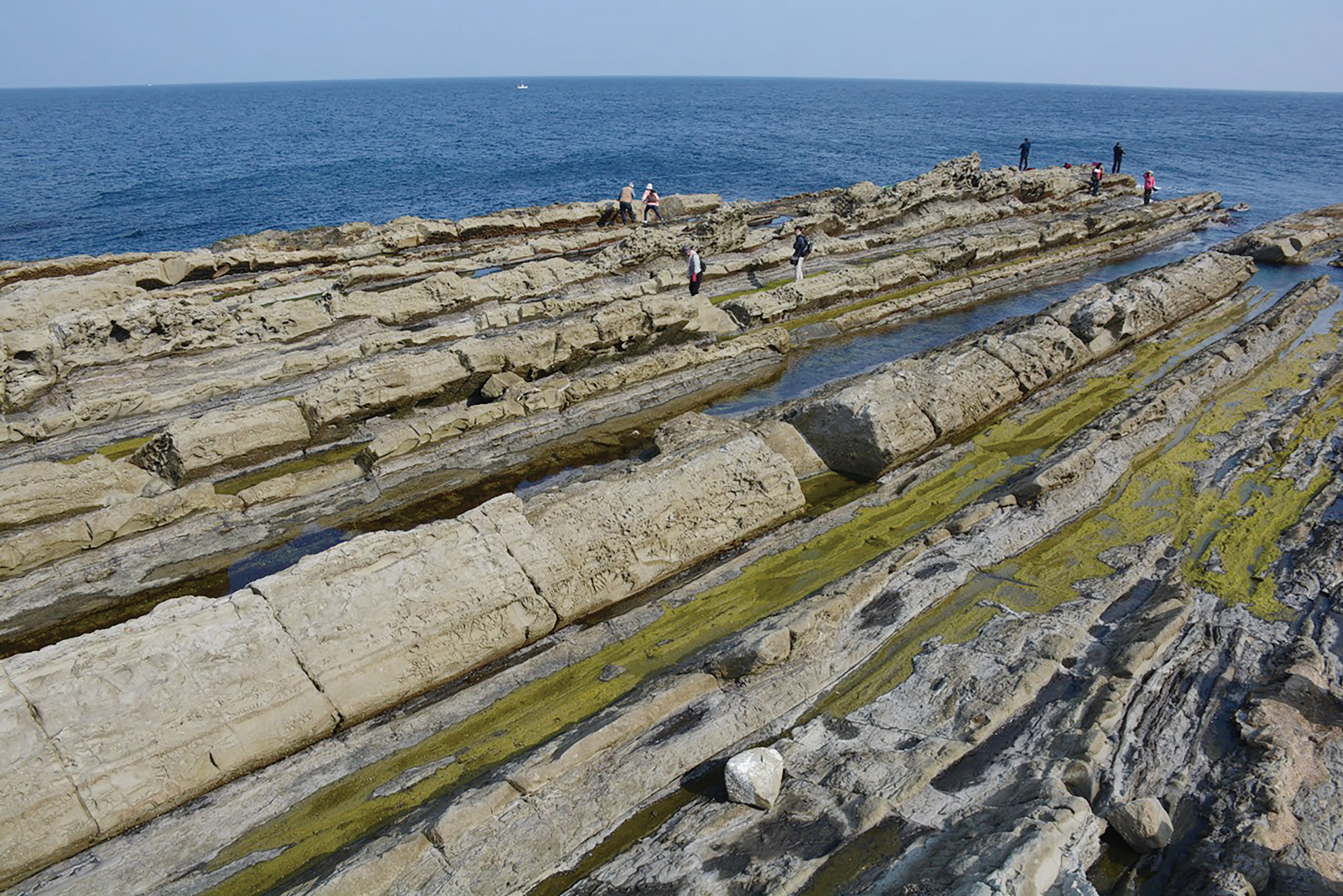
The alternating layers of sandstone and mudstone (sedimentary rock) found on Shimane Peninsula (Shimane Prefecture) and Oga Peninsula (Akita Prefecture) are called the devil's washboard. The alternating layers of white sandstone and black mudstone were deposited by large amounts of sediment carried to the seafloor by repeated earthquakes during the formation of the Sea of Japan. These layers beneath the Sea of Japan contain crude oil, raw material for petroleum. Most of the crude oil produced in Japan comes from the offshores of Niigata and Akita Prefectures.
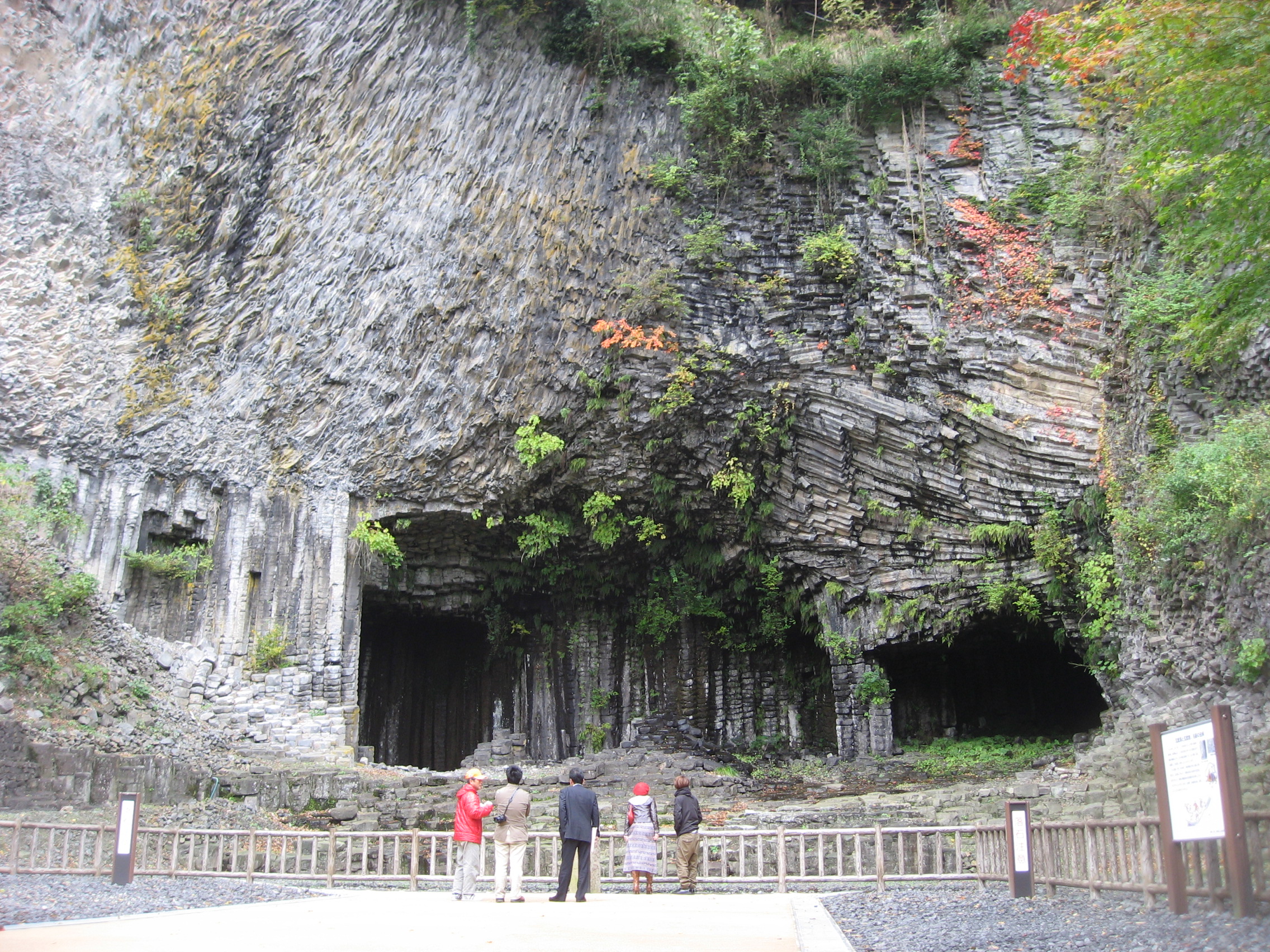
Genbudo Cave (Hyogo Prefecture), named after a Chinese myth known widely in Japan, is known for its distinctive columnar pattern. This pattern is made from columnar joints - similarly sized columns that form when cooling magma cracks. Although Genbudo Cave is a famous tourist spot, it is also the first place in the world where the reversal of the Earth's geomagnetic field (switching of the magnetic north and south poles) was discovered and researched.