Chapter 1:
Stories of the past that shape the present
CONNECT
The scenery we see every day and the food we eat every day - they are all linked deeply with the history of our planet, which spans hundreds of millions of years.
Let's unravel how the present in front of us connects with the past Earth.
CONNECT with people's lives
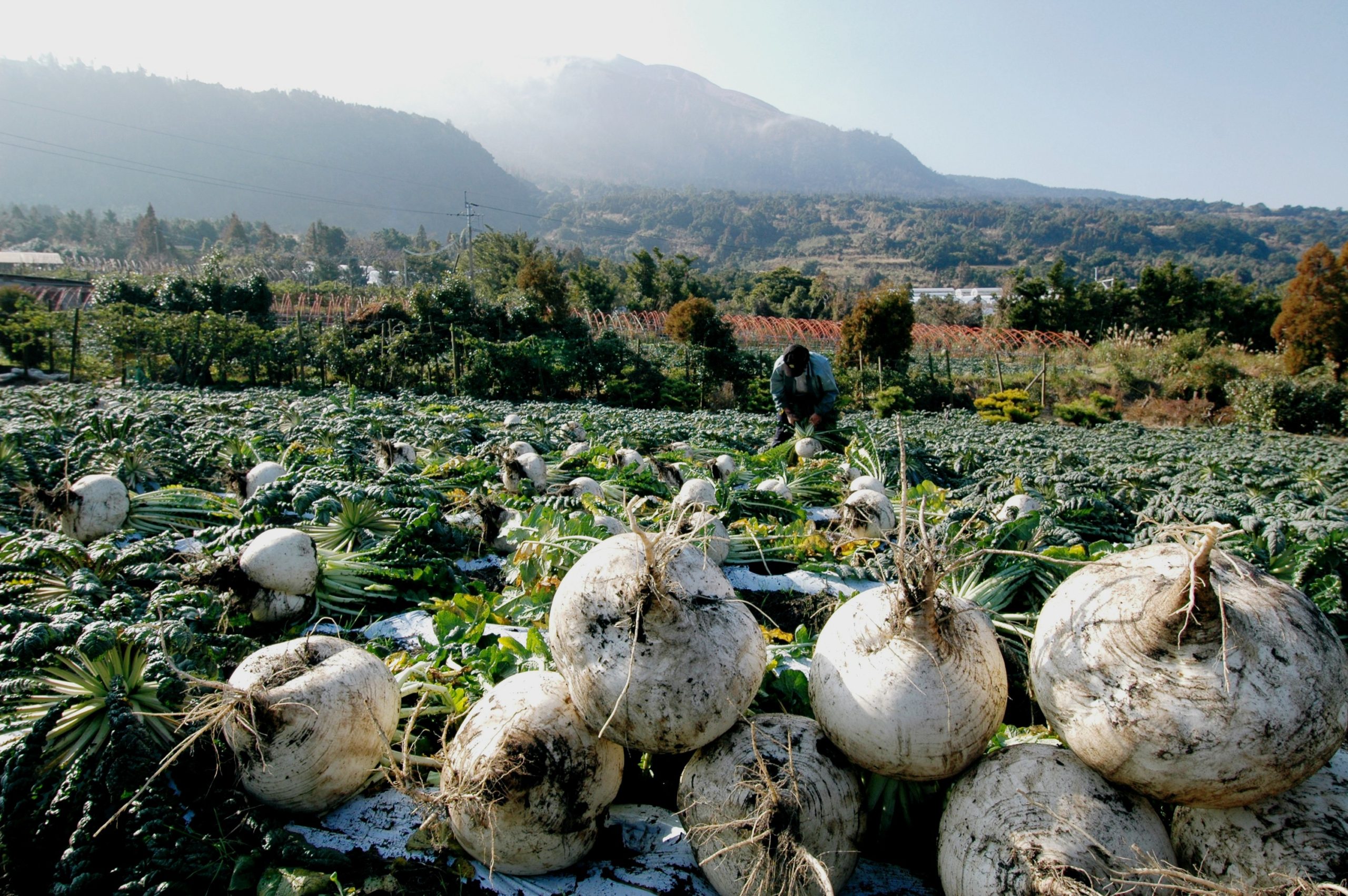
Japan is one of the most volcanic island countries in the world. Volcanic eruptions cause disasters that threaten our lives, but they also support our lives. On Sakurajima Island (Kagoshima Prefecture), lava and volcanic ash from volcanic eruptions create well-drained slopes that nurture local products such as Sakurajima radish and Sakurajima mandarin oranges.
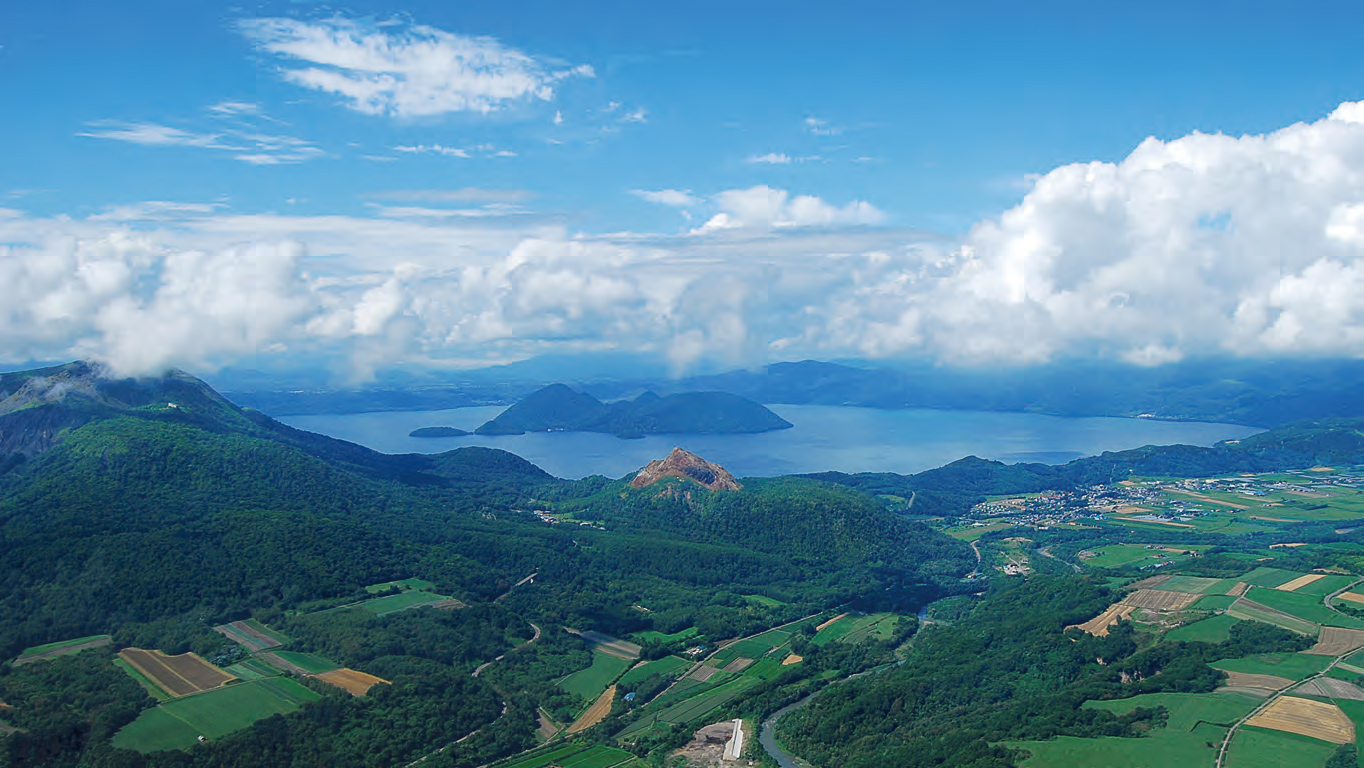
When volcanic activity occurs on a large scale, the land above the volcano may cave in. The depression created is called a caldera. Lake Toya (Hokkaido Prefecture) and Lake Ashi (Kanagawa Prefecture) are caldera lakes filled with water and are used for tourism and as hot spring resorts.
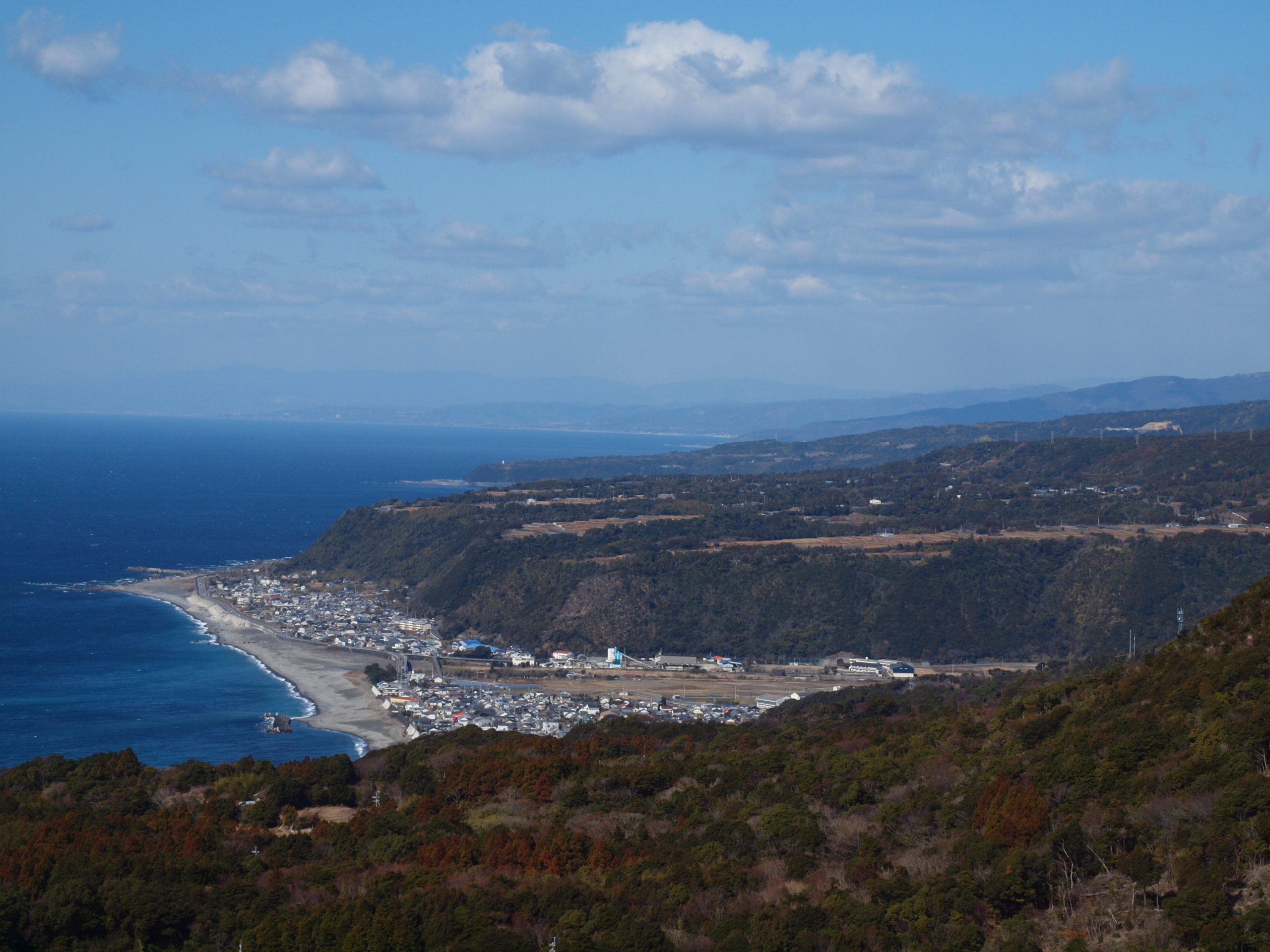
One of the landforms created by earthquakes are marine terraces. In Muroto (Kochi Prefecture), the land rises about two meters per thousand years due to Nankai earthquakes that occur every few hundred years. Thanks to sunlight and drainage, the marine terraces are used for agriculture, such as growing sweet potatoes and eggplants.
The past activities of the Earth have given birth to the present landforms, and humans make use of them in a variety of ways.

CONNECT with creatures
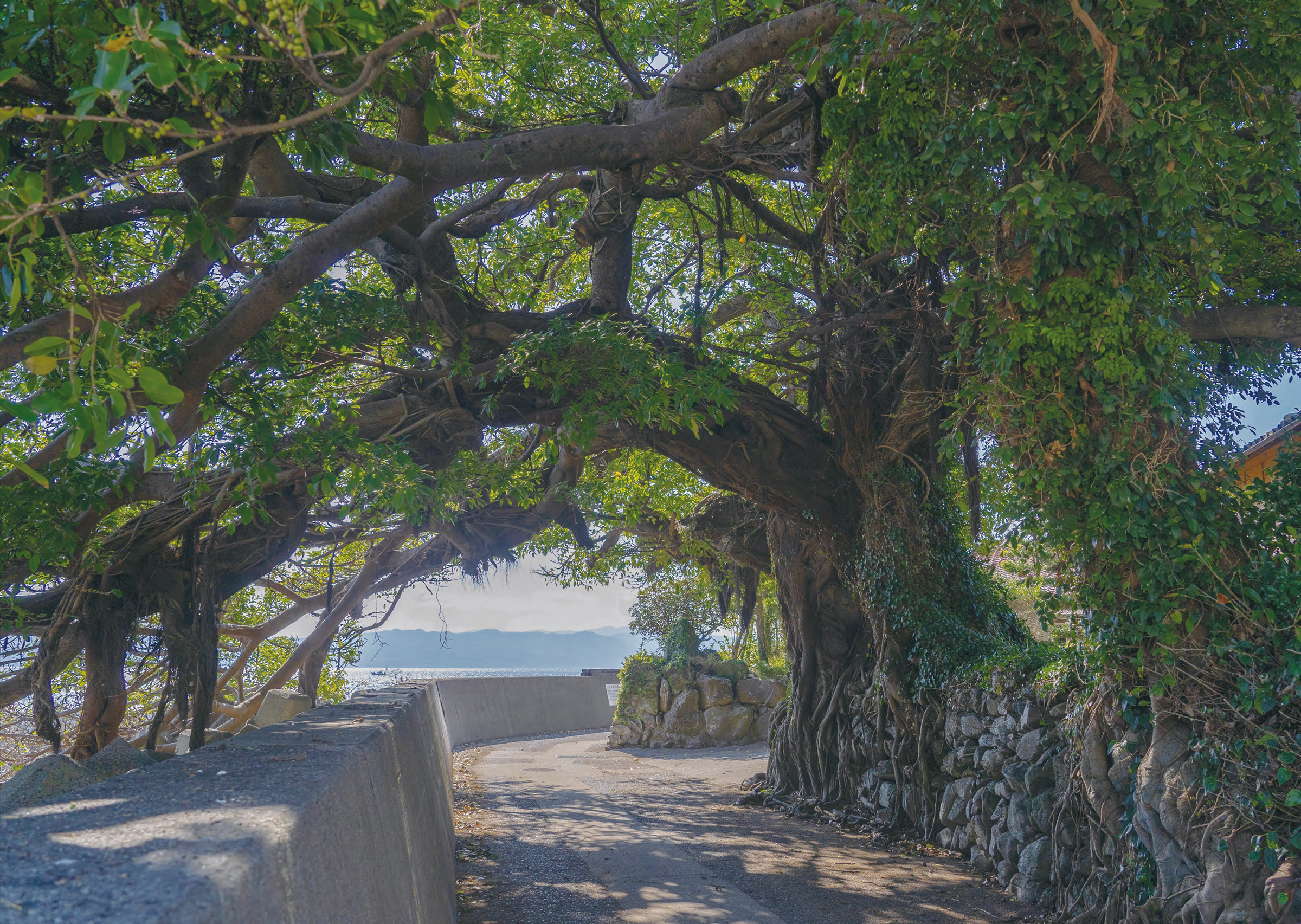
Living creatures cannot live just anywhere. Each creature has its own strengths and weaknesses, and they live according to the surrounding environment, including the shape of the land. Differences in rocks result in differences in soil, which are also deeply related to plant growth.
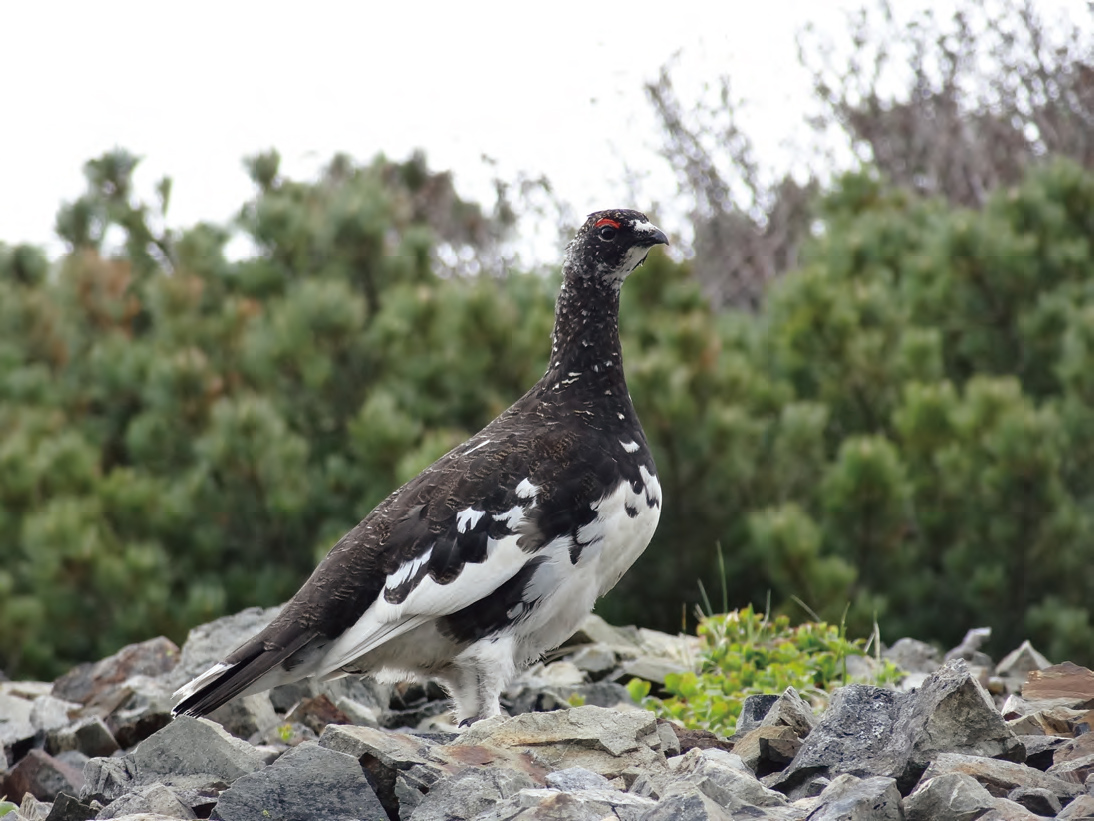
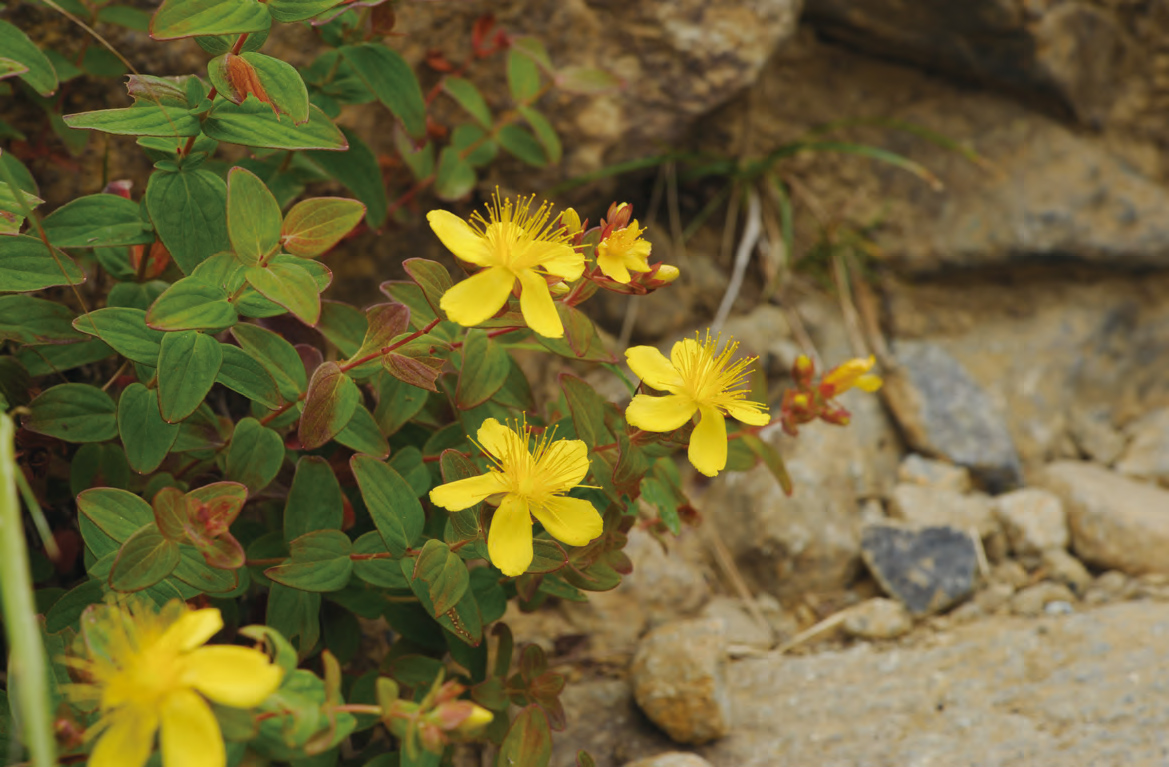
For example, in high mountains such as the Southern Alps (Nagano Prefecture) and Mt. Hakusan (Ishikawa Prefecture), enormous amounts of snow and powerful winds create a harsh environment. Only a limited number of animals and plants can survive in this environment. Forests rarely form on the high mountains, and there are many barren lands devoid of even grass.
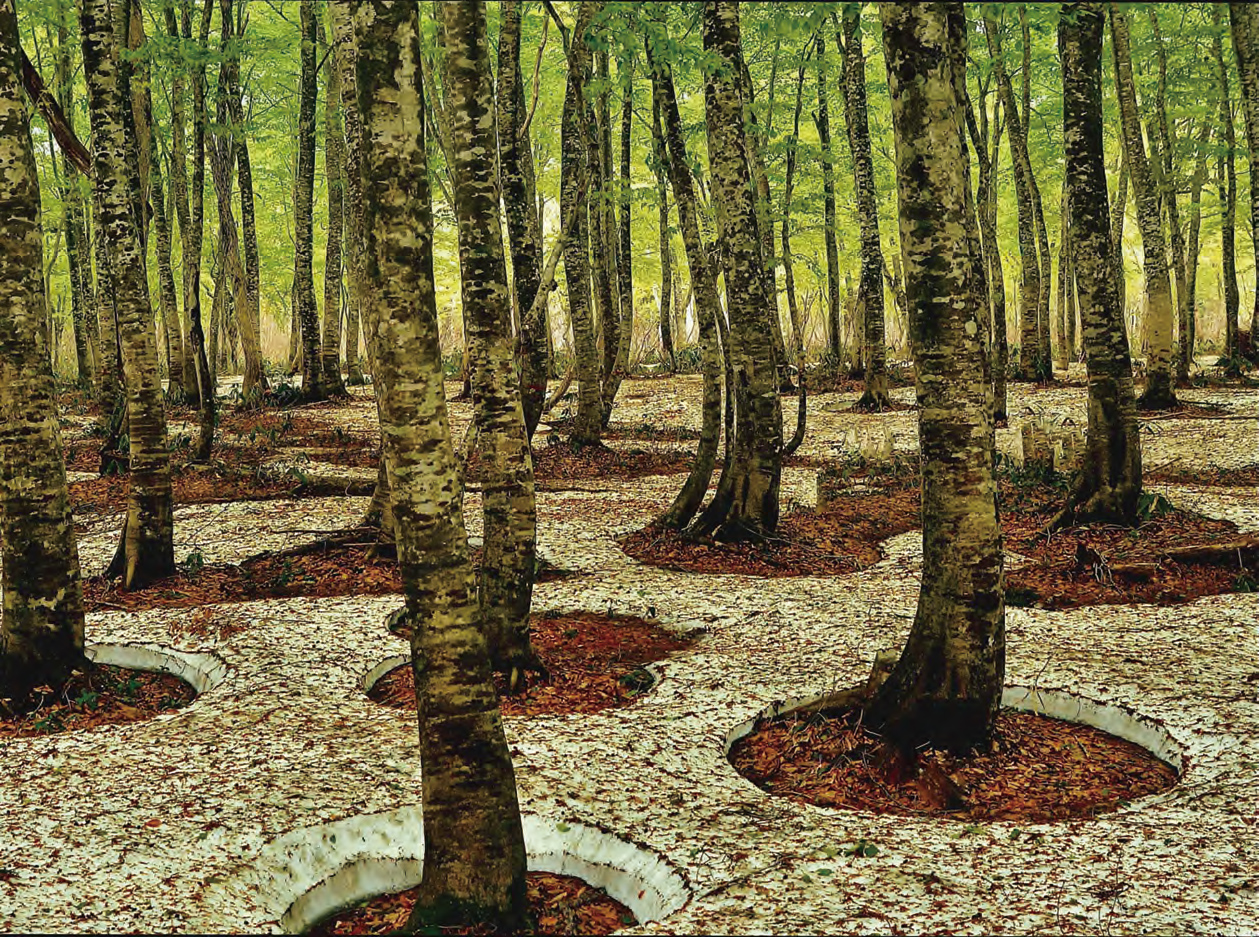
Beech trees, also known as the queen of forests, are widely found in northeastern Japan such as forests in the areas of Mt. Chōkai (Akita and Yamagata Prefectures) and Mt. Kurikoma (Miyagi, Akita, and Iwate Prefectures). Beech forests are found in high snowfall areas in the low mountains, below the alpine zone, providing shelter from the snow and wind for many plants and animals.
Earth's activities in the past have created various landforms and climates, and the creatures of the present have chosen different habitats accordingly.
CONNECT with culture
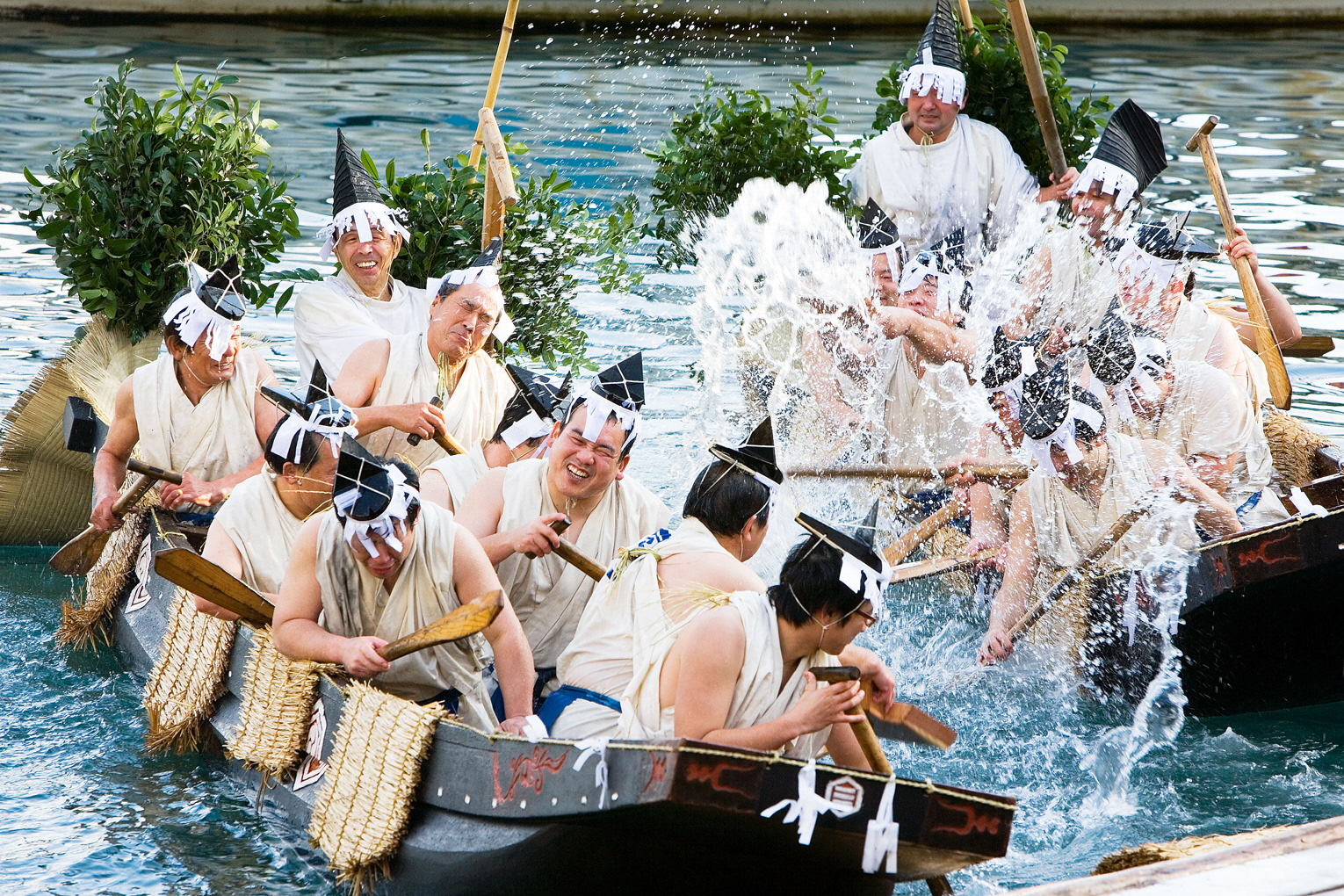
Our festivals, rituals, and industries are deeply linked with the activities of the Earth.
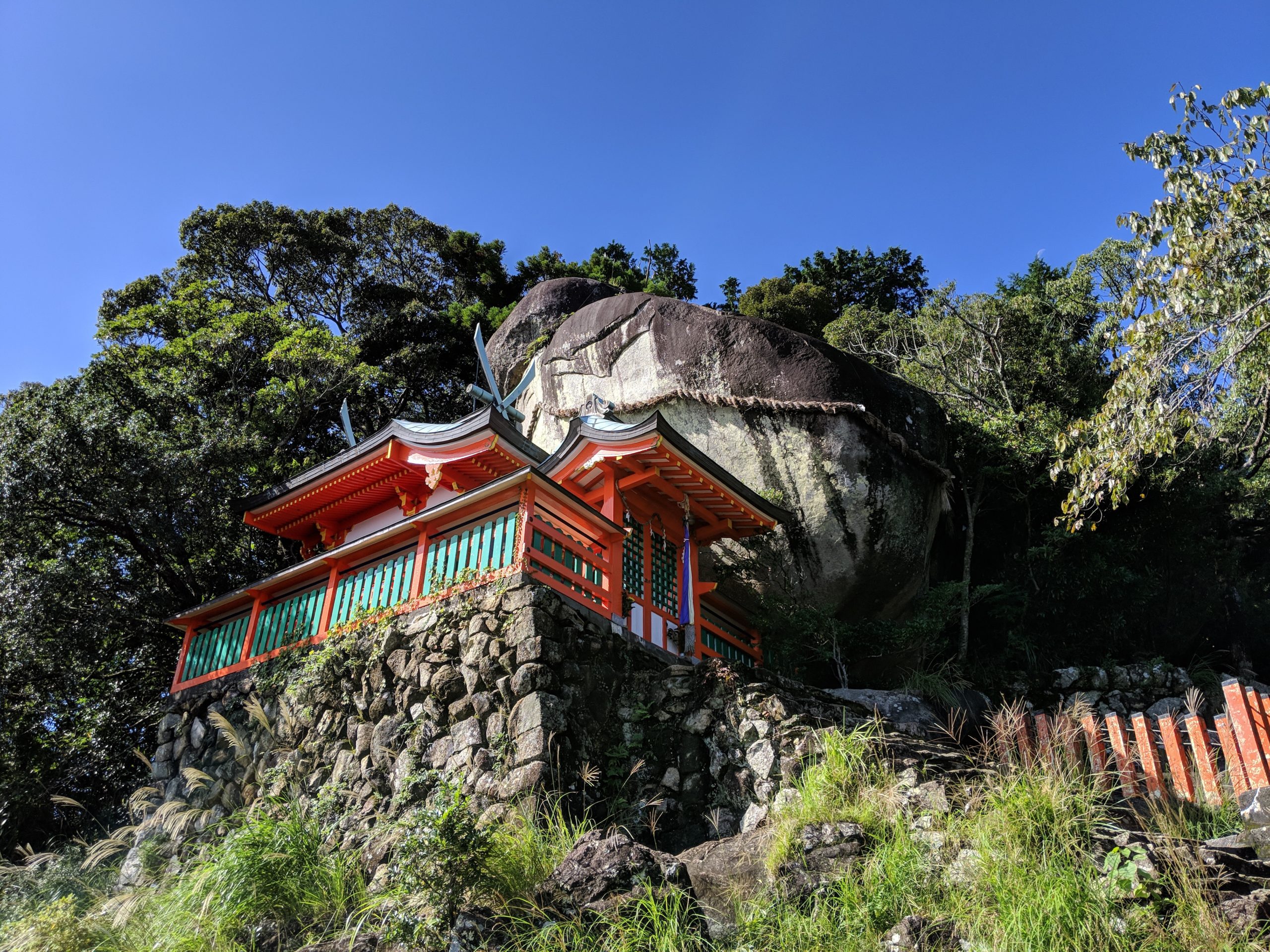
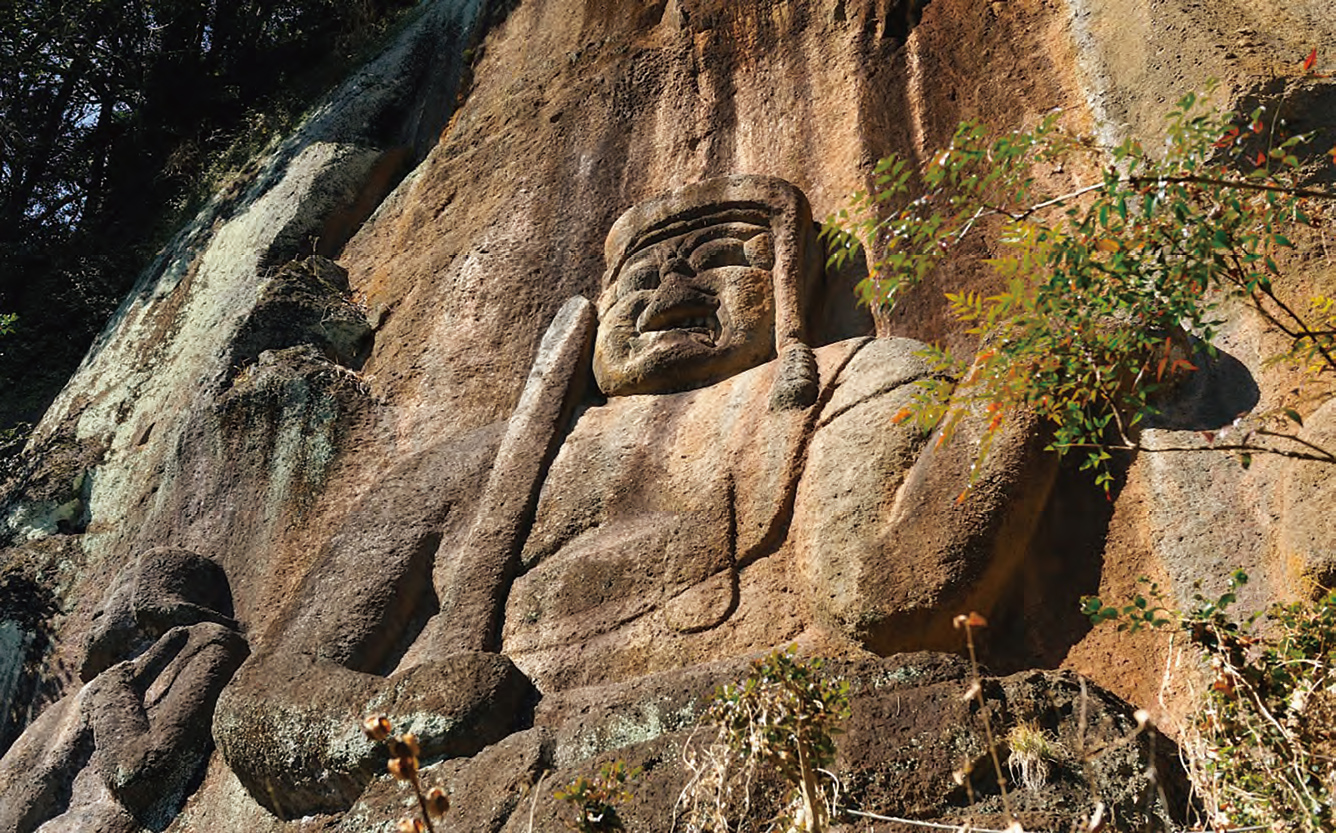
In Japan, there are still many beliefs and cultural practices related to nature, such as calming volcanic eruptions and praying for rain. Despite its small size, Japan has many high mountains and steep rivers. It was difficult to travel around until modern bridges and tunnels were built; this semi-isolation led to the development of diverse cultures in each area.
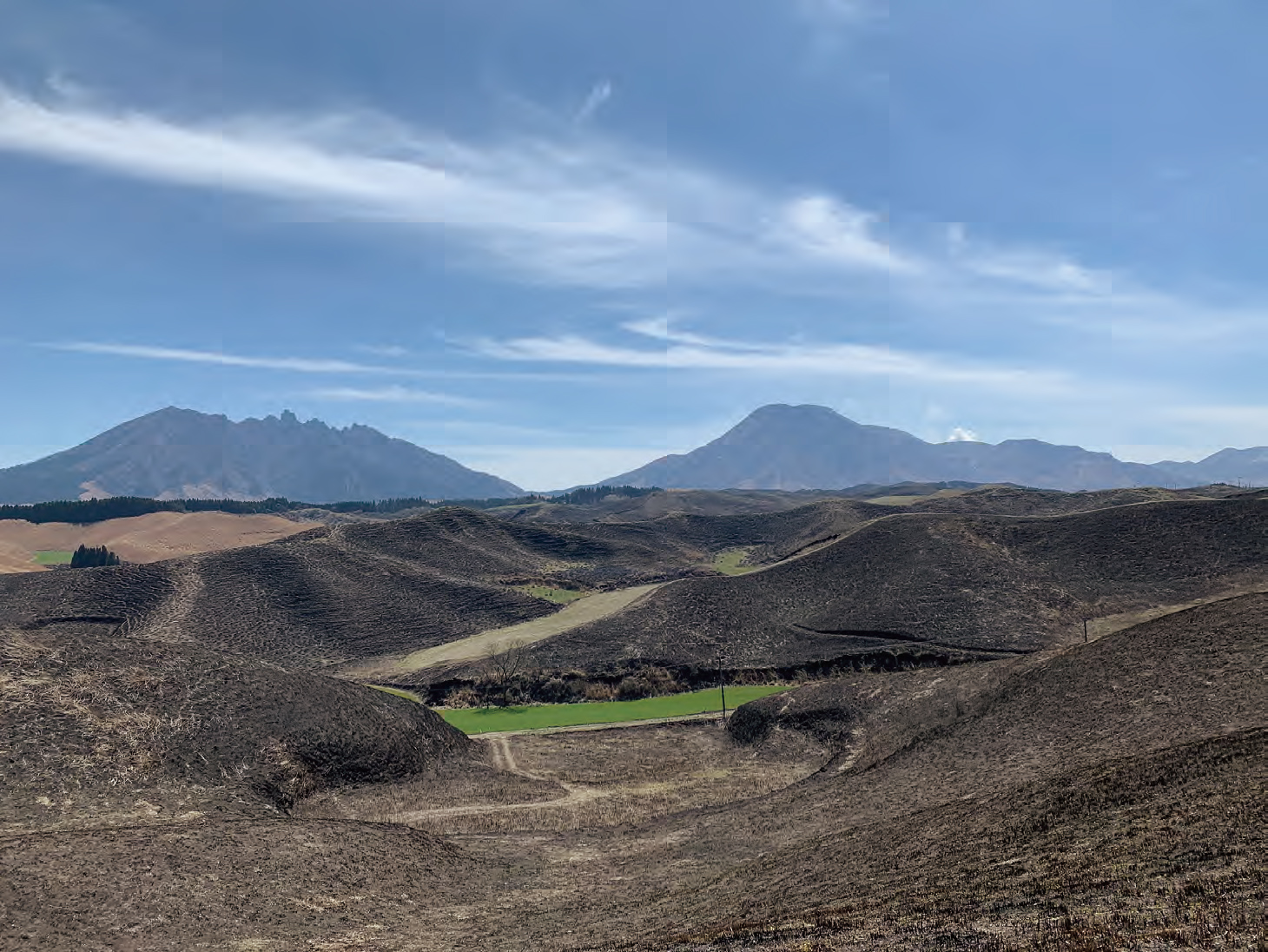
The grasslands of Aso Caldera (Kumamoto Prefecture) were created by pyroclastic flows and volcanic ash ejected from the volcano. The grassland environment is utilized for Aso Akaushi Beef. In addition to repeated eruptions, the grasslands have also been maintained by human activities such as grass harvesting and burning. The burning of the fields removes dead grass, suppresses reforestation, promotes the growth of food for cattle and horses, and prevents fires.
The activities of the Earth in the past are combined with the wisdom of us living in the present, forming diverse cultures.